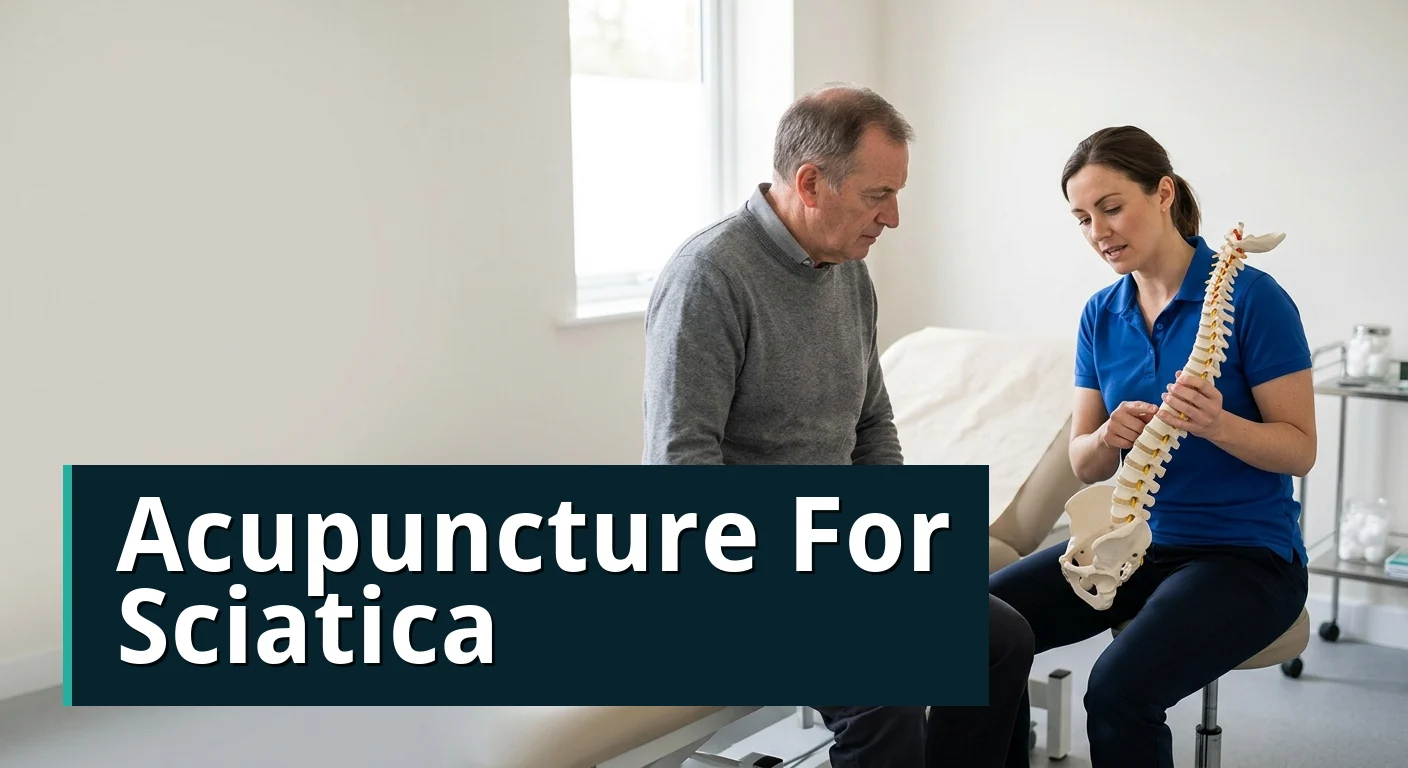
Acupuncture for sciatica is often considered by people who want pain relief without relying only on medication. Sciatica can be difficult because pain may travel from the lower back or buttock into the thigh, calf or foot. It can also include tingling, numbness or burning sensations. When symptoms interrupt sleep, work, walking or sitting, it is understandable to look for treatment options that may calm the pain.
Acupuncture may help some people with pain modulation and muscle tension, but it should not replace proper assessment of nerve-related symptoms. This guide explains what sciatica is, how acupuncture may fit into treatment, what to expect, safety considerations and when physiotherapy assessment is essential. If you have bladder or bowel changes, saddle numbness, rapidly worsening weakness or severe unexplained symptoms, seek urgent medical advice.
What Is Sciatica?
Sciatica describes symptoms linked to irritation or sensitivity of the sciatic nerve or the nerve roots that contribute to it. The symptoms often travel from the lower back or buttock into the leg. Some people have strong back pain. Others have mainly leg pain. Symptoms can vary depending on the nerve root involved and the reason the nerve is irritated.
Common causes include disc irritation, inflammation around a nerve root, lower back joint irritation, muscle guarding around the hip or pelvis and reduced tolerance to sitting, bending or lifting. Not every leg pain is sciatica, and not every sciatica case has the same driver. That is why assessment matters before choosing treatment.
A good sciatica plan usually combines education, activity modification, movement, progressive exercise and sometimes hands-on or needling-based treatments. The exact mix depends on symptom behaviour and safety screening.
How Might Acupuncture Help Sciatica?
Acupuncture involves inserting very fine, sterile needles into specific points. In a physiotherapy or medical context, it may be used to influence pain processing, reduce muscle guarding, support relaxation and provide a window of symptom relief. For some people, that window makes it easier to move, walk or begin exercises.
It is important to be realistic. Acupuncture does not physically push a disc back into place or instantly remove every cause of nerve irritation. Its role is more likely to be symptom modulation. If pain reduces enough for you to move better, sleep better or tolerate rehab, that can be valuable. But it works best when it is part of a wider plan.
Some people respond very well. Others notice little change. Response can depend on the nature of symptoms, general sensitivity, sleep, stress, activity levels and how acupuncture is combined with exercise and advice.
Acupuncture Is Not The Same As A Sciatica Diagnosis
One of the biggest mistakes is choosing a treatment before understanding the symptom pattern. If pain travels into the leg, a clinician should ask about numbness, weakness, bladder and bowel symptoms, walking tolerance, sitting tolerance and whether symptoms are improving or worsening. These details guide safe decision-making.
For example, someone with mild buttock and thigh pain that improves with walking may need a different plan from someone with foot numbness and progressive weakness. Acupuncture might be considered in one case and inappropriate or secondary in another. Assessment decides the route.
What To Expect At An Appointment
A responsible appointment should start with questions and assessment, not needles immediately. Your clinician should ask about symptoms, medical history, medications, previous treatment, current activity and any red flags. They may assess back movement, leg symptoms, strength, sensation and functional tasks such as walking or sitting tolerance.
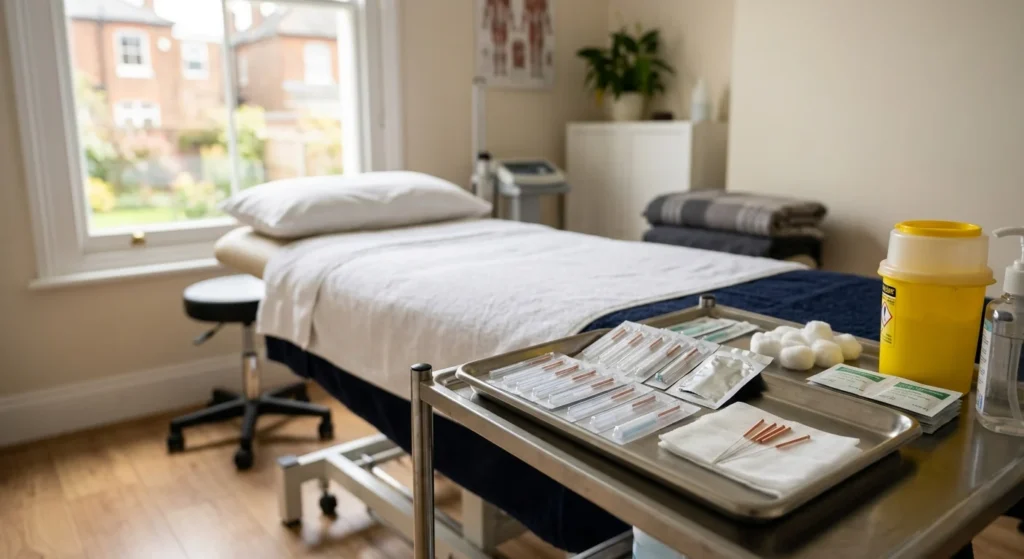
If acupuncture is suitable, the clinician should explain why it is being used, where needles may be placed, what sensations to expect and what side effects are possible. Needles are sterile and single-use. You may feel a small prick, dull ache, heaviness, warmth or tingling. Many people find the treatment calm, but experiences vary.
After treatment, you may feel relaxed, mildly sore or tired. You may be advised to avoid heavy exercise immediately after the session, especially if it is your first time. Gentle walking and light movement are often encouraged if comfortable.
Is Acupuncture Safe For Sciatica?
Acupuncture is generally considered low risk when performed by a trained professional using appropriate hygiene and sterile single-use needles. However, it is not suitable for everyone. Tell your clinician if you take blood-thinning medication, have a bleeding disorder, have a compromised immune system, are pregnant, have a needle phobia, have skin infection near the area or have a complex medical history.
Common side effects can include temporary soreness, small bruising, tiredness or light-headedness. Serious complications are rare but possible, which is why training, consent and clinical reasoning matter. If you feel faint during needling, tell the clinician immediately. You should never feel pressured to continue.
When Acupuncture May Not Be Enough
If sciatica symptoms are driven by load, posture, weakness, disc irritation or movement sensitivity, pain relief alone may not create lasting change. You may feel better for a short period but flare again when sitting, lifting, running or working. That does not mean acupuncture failed; it means the rest of the plan needs attention.
A complete plan may include advice on sitting breaks, walking progression, gentle nerve mobility, back or hip mobility, graded strengthening and return-to-work or return-to-sport steps. If symptoms are highly irritable, the first exercises may be very gentle. As symptoms settle, the plan should progress so the back and leg regain capacity.
Exercises That May Support Acupuncture Treatment
If acupuncture reduces symptoms, use that window carefully. The goal is not to do everything at once because pain has reduced. Start with movements that stay comfortable and do not push symptoms further down the leg.
- Short walking intervals: three to five minutes repeated through the day.
- Pelvic tilts: gentle lower back movement lying on your back.
- Nerve glides: only if they feel like a gentle glide rather than a strong stretch.
- Supported bridges: light glute strengthening if symptoms are settling.
- Position changes: break up sitting before symptoms build.
If any exercise increases leg symptoms, stop and seek guidance. With sciatica, the response matters more than the exercise name. A movement that helps one person may irritate another.
How Many Sessions Might You Need?
The number of sessions varies. Some people notice a change after one or two treatments. Others need a short course combined with exercise and advice. If there is no meaningful improvement after a few sessions, the plan should be reviewed rather than continuing automatically.
Good care includes reassessment. Are symptoms less intense? Are they travelling less far down the leg? Are you walking further? Is sleep improving? Are you able to sit longer? These practical markers matter more than whether the treatment felt relaxing in the moment.
Acupuncture vs Dry Needling For Sciatica
Acupuncture and dry needling both use fine needles, but they may use different reasoning. Acupuncture may use traditional or medical point systems. Dry needling often targets muscle trigger points and neuromuscular sensitivity. In a physiotherapy setting, either approach should be based on assessment and clear goals.
If your sciatica symptoms include strong muscle guarding in the buttock or lower back, needling may target sensitive muscles. If the main issue appears nerve-root irritation with neurological symptoms, needling may be less central and screening becomes more important. The best choice depends on the clinical picture.
Red Flags: Do Not Ignore These Symptoms
Seek urgent medical advice if you have new bladder or bowel control problems, numbness around the saddle area, rapidly worsening leg weakness, severe symptoms after trauma, fever, unexplained weight loss or pain that is severe and unrelenting. These symptoms need medical assessment rather than acupuncture or home exercises.
Also seek prompt advice if the foot is dropping, the leg feels progressively weaker or numbness is spreading. Sciatica can be painful without being dangerous, but changing neurological symptoms deserve careful attention.
Who May Be A Good Candidate?
Acupuncture may be worth considering when sciatica symptoms are mild to moderate, red flags have been screened, and pain is stopping you from engaging with movement or exercise. It may be especially useful when muscle guarding around the lower back, glutes or hip is adding to discomfort. The aim is often to reduce sensitivity enough that you can start or continue a rehab plan.
It may be less appropriate as a first option when there is progressive weakness, significant numbness, severe unrelenting leg pain, suspected cauda equina symptoms or a presentation that needs medical review. In those cases, assessment and safety decisions come before symptom-relief treatments. The right question is not whether acupuncture is good or bad, but whether it is suitable for your exact symptoms today.
What Results Should You Expect?
Some people feel easier movement, reduced leg pain or better sleep after acupuncture. Others notice a smaller change or no clear difference. It is sensible to review after a few sessions rather than assuming more sessions are always the answer. The treatment should be judged by practical outcomes such as sitting tolerance, walking distance, sleep and ability to exercise.
Short-term relief can still be useful. If pain drops enough for you to walk more comfortably or complete gentle exercises, that can support recovery. However, lasting improvement usually depends on the rest of the plan: movement, strength, activity pacing, work changes and confidence with normal tasks.
How Acupuncture Can Be Combined With Physio Rehab
A physiotherapy-led plan may use acupuncture at the start of a session, then follow it with movement testing and exercises. For example, if sitting is the main trigger, your physiotherapist may test sitting tolerance, use acupuncture where appropriate, then teach position changes, nerve mobility or back movements that reduce symptoms. If walking is limited, treatment may be followed by a graded walking plan.
The treatment sequence should be purposeful. Needling is not there to distract from rehab. It is there to help symptoms settle enough that rehab becomes more achievable. The active part of the plan is what teaches the back, hip and leg to tolerate daily demands again.
Questions To Ask Your Clinician
Before starting acupuncture for sciatica, ask what findings suggest it is suitable, what warning signs have been screened, where needles may be placed, what sensations are expected, and what the plan is if symptoms do not improve. Ask how progress will be measured. A clear answer should include function, not only pain scores.
You can also ask what you should do between sessions. If the answer is simply to come back for more treatment, the plan may be incomplete. Most people need home advice, movement guidance and clear rules for pacing sitting, walking, lifting or exercise.
Common Mistakes When Trying Acupuncture For Sciatica
The first mistake is using acupuncture to avoid assessment. Leg symptoms should be screened properly, especially if there is numbness, tingling or weakness. The second mistake is expecting one treatment to undo a problem that is being irritated daily by long sitting, heavy lifting or poor sleep. Treatment can help, but daily load still matters.
The third mistake is doing too much immediately after a good session. If pain drops, it is tempting to catch up on all the tasks you avoided. That can create a flare and make it seem as if treatment did not help. Use symptom relief wisely: move, walk and exercise gently, then build up. The fourth mistake is continuing indefinitely without measurable progress. If the trend is not improving, the plan needs review.
Self-Care Between Sessions
Between sessions, keep the plan simple. Break up sitting before symptoms build. Walk little and often if walking helps. Use gentle mobility that does not send symptoms further down the leg. Keep sleep positions comfortable and avoid aggressive stretching if it creates nerve pain. If medication is part of your plan, follow advice from your GP or pharmacist.
Write down what changes. Did acupuncture help for hours or days? Did walking feel easier? Did tingling reduce? Did a specific exercise flare symptoms? This information helps your physiotherapist adjust the plan. Sciatica care works best when treatment decisions are based on response, not guesswork.
A Session-By-Session Way To Review Progress
Before the first session, choose three markers. Sitting tolerance, walking distance and sleep are common choices. After each session, note whether those markers changed. If pain feels better but walking distance is unchanged, the plan may need more active progression. If sleep improves and walking improves, acupuncture may be supporting recovery well.
By the third or fourth session, there should usually be a clear reason to continue, change or stop. Continuing only because treatment feels relaxing is not always enough if your main goal is returning to work, sport or normal activity. A physiotherapy-led approach should keep linking treatment to function.
Can Acupuncture Be Used Alongside GP Care?
Yes, acupuncture can sometimes sit alongside GP advice, medication discussions and physiotherapy rehab, provided everyone understands the plan and safety issues. If you have been prescribed medication, do not stop it because you are trying acupuncture unless your prescriber advises it. If symptoms are severe or changing, keep your GP or relevant medical clinician informed.
Acupuncture should also not delay urgent care. If red flags appear, the priority changes. The best care uses the right tool at the right time: medical assessment when needed, physiotherapy assessment for movement and nerve-related symptoms, acupuncture where suitable for pain modulation, and exercise for long-term capacity.
What If Acupuncture Does Not Help?
If acupuncture does not help, that does not mean your sciatica is hopeless. It simply means that this tool may not be the best fit or that the broader plan needs changing. You may need a different exercise direction, more load management, medical review, sleep support, strength work or a clearer return-to-activity plan.
Do not keep repeating a treatment indefinitely without progress. Reassessment is a strength, not a failure. Sciatica symptoms can change over time, and the treatment plan should change with them. A good clinician will adjust rather than blame you for not responding.
Acupuncture, Exercise And Confidence
Sciatica can make people cautious with movement. That caution is understandable, especially when leg pain feels sharp or unpredictable. If acupuncture reduces pain, use the opportunity to rebuild confidence gently. A short walk, a comfortable back movement or a simple strengthening exercise can show the nervous system that movement is safe again.
Confidence should be progressed like strength. Start with easy tasks and build up. Sit for a short planned period rather than until symptoms flare. Walk a manageable distance rather than testing your limit every day. Practise lifting with light loads before returning to heavy tasks. Treatment can calm symptoms, but confidence grows through repeated safe experience.
How To Know The Plan Is Working
A working plan should create a positive trend. Pain may not disappear immediately, but you should see signs such as better sleep, less intense leg symptoms, improved walking, longer sitting tolerance, reduced reliance on pain relief or more confidence with normal movement. If symptoms move out of the foot and become more local, that can also be a useful sign for some presentations.
If the trend is negative, do not push through blindly. Worsening leg pain, increasing numbness, new weakness or spreading symptoms need review. A good sciatica plan is responsive. It changes when your symptoms change.
Choosing A Clinic For Sciatica Care
Choose a clinic that assesses before treating, explains red flags clearly and offers more than one tool. Acupuncture may be part of the plan, but the clinician should also understand exercise, activity modification and when medical referral is needed. Be cautious if a provider promises a guaranteed cure without assessing your symptoms properly.
The best care feels collaborative. You understand why treatment is recommended, what to do between sessions and how progress will be reviewed. That clarity matters when sciatica has already made daily life feel uncertain.
Practical Takeaway
Acupuncture for sciatica can be a useful part of care for some people, but it should sit behind good assessment, not ahead of it. The safest route is to understand the symptom pattern, screen for warning signs, then decide whether acupuncture, exercise, manual therapy, advice or medical review is most appropriate.
If acupuncture helps, use the improvement to move better, walk more comfortably and build strength gradually. If it does not help, review the plan rather than giving up. Sciatica recovery often needs a combination of approaches, and the best plan is the one that responds to your symptoms and goals.
Most importantly, do not ignore changes in strength, sensation or bladder and bowel control while trying to manage symptoms. Acupuncture may support pain relief, but safety screening and timely medical advice are always more important when sciatica symptoms change unexpectedly. When in doubt, get checked before trying to push through or waiting for the next routine appointment, especially if symptoms are spreading or strength is changing.
For day-to-day decisions, keep the plan simple and measurable. Choose positions that calm symptoms, walk in short tolerable blocks, avoid aggressive nerve stretching and use any pain relief from treatment to practise safe movement. If each week gives you a little more confidence, a little more walking tolerance or a little less leg pain, the plan is moving in the right direction.
FAQs About Acupuncture For Sciatica
Can acupuncture cure sciatica?
Acupuncture may help reduce pain for some people, but it is not a guaranteed cure. Sciatica often needs assessment, movement advice and progressive exercise alongside symptom relief.
Does acupuncture for sciatica hurt?
Most people feel a small prick, dull ache or heaviness. Treatment should be tolerable and explained before it starts. Tell the clinician if you feel faint, anxious or uncomfortable.
How quickly does acupuncture work for sciatica?
Some people notice short-term relief after one session, while others need several sessions or do not respond strongly. Progress should be reviewed using practical markers such as walking, sitting and sleep.
Should I see a physio first?
If symptoms travel into the leg, especially with numbness, tingling or weakness, physiotherapy assessment is a sensible first step. It helps screen safety and decide whether acupuncture is appropriate.
Book A Sciatica Assessment
If you are considering acupuncture for sciatica, start with a clear assessment so treatment matches your symptoms. Prime Physiotherapy Clinic can assess your back and leg symptoms, discuss whether acupuncture is suitable and build a plan using advice, movement and exercise prescription where appropriate. You can book an appointment online.