Manual Therapy
Our Services

Manual Therapy

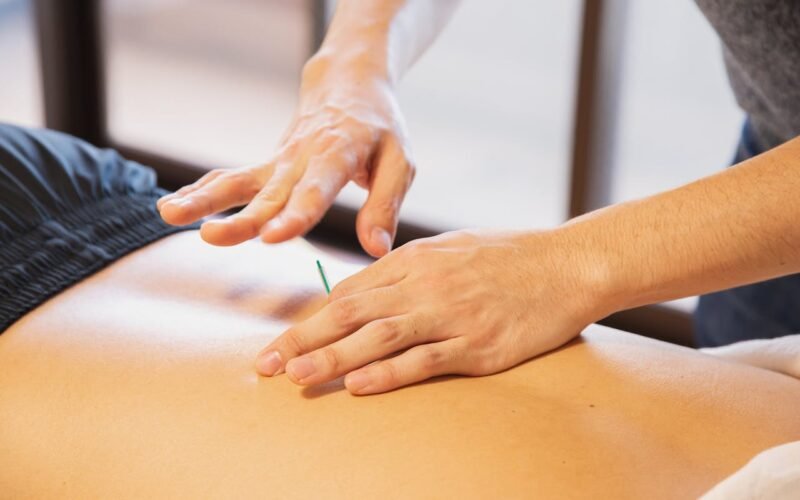
Hands-on techniques including mobilisation and manipulation to restore movement and reduce pain.

What Is Manual Therapy?

Manual therapy is a specialised area of physiotherapy where your therapist uses skilled, hands-on techniques to treat musculoskeletal pain and dysfunction. Unlike general massage, manual therapy is a clinical treatment guided by your specific diagnosis and delivered with precision.

Our approach includes joint mobilisation (gentle, rhythmical movements to restore joint play), joint manipulation (high-velocity, low-amplitude thrusts to unlock stiff joints), and soft tissue techniques (targeted work on muscles, fascia, and ligaments). Each technique is selected based on clinical reasoning specific to your condition.


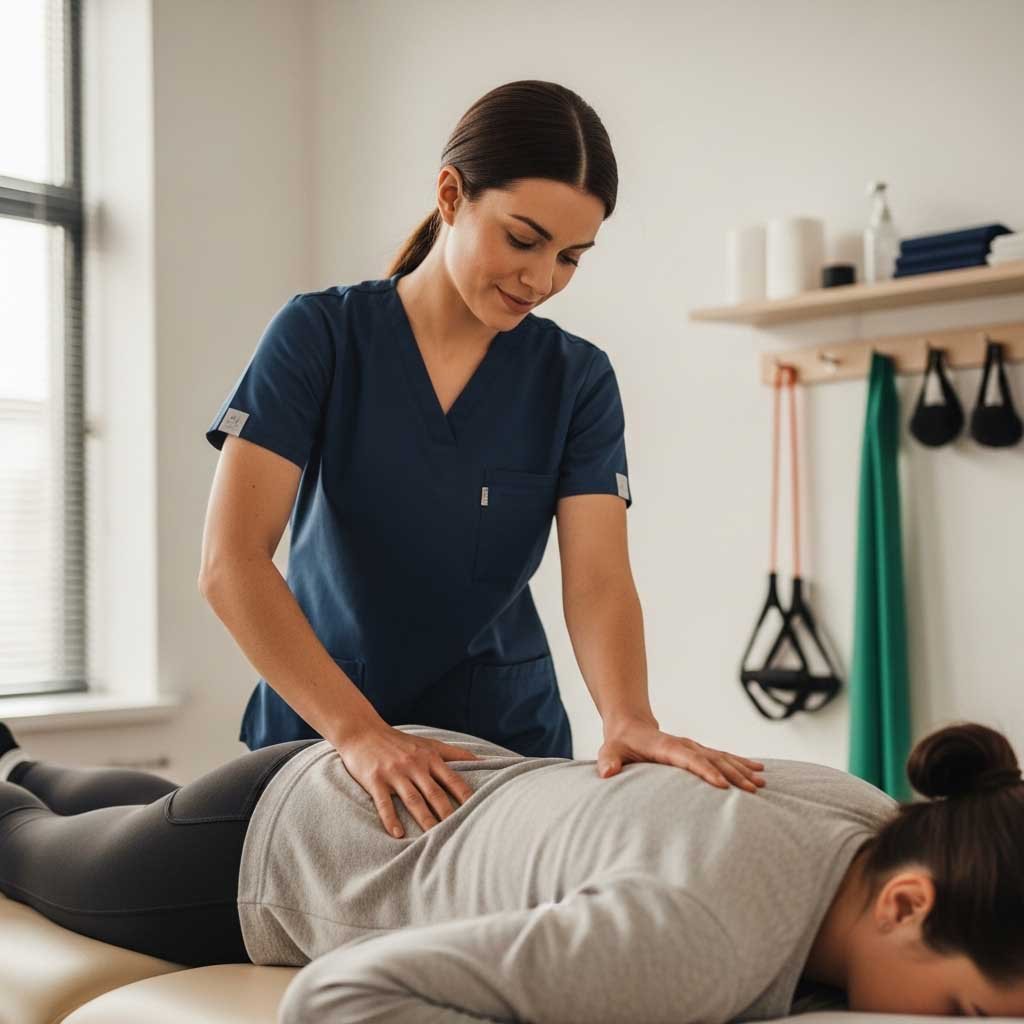
Skilled spinal mobilisation to restore movement and reduce pain

Who Is It For?

Manual therapy is effective for anyone with joint stiffness, restricted movement, or pain caused by musculoskeletal dysfunction. It’s particularly beneficial for conditions where the joints or soft tissues have become stiff, tight, or adhered following injury, surgery, or prolonged inactivity.

Whether you’re a desk worker with a stiff neck, an athlete with a locked thoracic spine, or recovering from a fracture — manual therapy can accelerate your recovery by restoring the normal mechanics your body needs to heal.

What to Expect

Each session begins with a brief reassessment to monitor your progress and adapt the treatment. Your physiotherapist then applies the appropriate manual techniques — you’ll feel movements varying from gentle oscillations to firmer pressure, depending on your condition and tolerance.

It’s normal to experience some mild discomfort during treatment, but it should never be sharply painful. After your hands-on treatment, we guide you through specific movements and stretches to reinforce the gains. You’ll leave with an updated home exercise programme tailored to maintain your improvement.

Conditions We Treat

  • Frozen Shoulder (Adhesive Capsulitis)
  • Lower Back Pain & Stiffness
  • Cervical Spine Dysfunction
  • Tennis Elbow & Golfer's Elbow
  • Ankle Sprains
  • Hip Impingement
  • Thoracic Outlet Syndrome
  • Post-fracture Stiffness
  • Temporomandibular Joint (TMJ) Pain
  • Muscle Strains

Why Choose Manual Therapy

Rapid pain relief through targeted techniques

Improved joint range of motion

Reduced muscle tension and spasm

Enhanced blood circulation to injured tissues

Accelerated healing and recovery

Complementary to exercise rehabilitation

Your Treatment Journey

1

Assessment Review

We review your symptoms and check progress from previous sessions to tailor today's treatment approach.

2

Treatment Preparation

The affected area is positioned optimally and warmed up with gentle soft tissue techniques to prepare for deeper work.

3

Manual Techniques

Your physiotherapist applies skilled hands-on techniques — mobilisation, manipulation, or soft tissue release — specific to your diagnosis.

4

Post-Treatment Movement

Guided movements and stretches after manual work to reinforce the gains achieved and retrain correct movement patterns.

5

Home Programme Update

Your exercise plan is adjusted based on treatment progress, ensuring continued improvement between sessions.

Frequently Asked Questions

What is manual therapy?

Manual therapy is a specialised form of physiotherapy delivered with the hands rather than a device or machine. It includes joint mobilisation, manipulation, and soft tissue techniques designed to reduce pain, improve mobility, and restore function.

Is manual therapy painful?

You may experience mild discomfort during treatment, particularly with deep mobilisation of stiff joints. However, your physiotherapist will always work within your comfort level and adjust techniques accordingly.

How is manual therapy different from massage?

While massage focuses on soft tissue relaxation, manual therapy addresses specific joint restrictions and biomechanical dysfunctions through precise, skilled techniques. It is a clinical treatment guided by your diagnosis.

How quickly will I see results?

Many patients notice improvement after just one or two sessions. However, chronic conditions may require a course of treatment over several weeks. Your physiotherapist will set realistic expectations.

Ready to Start Your Recovery?

Book your initial assessment today and take the first step towards a pain-free life.