Dry Needling
Our Services

Dry Needling

Precision needling technique targeting muscle trigger points to release tension and relieve pain.

What Is Dry Needling?

Dry needling is a skilled technique where a fine, sterile needle is inserted directly into myofascial trigger points — hyperirritable spots within taut bands of skeletal muscle. Unlike acupuncture, which is based on traditional Chinese medicine meridian theory, dry needling is grounded in Western anatomical and neurophysiological principles.

The needle creates a local twitch response in the muscle, which deactivates the trigger point, improves blood flow to the area, and triggers the body’s natural healing response. The result is rapid pain relief, improved muscle function, and restored range of motion. No medication is injected — hence the term “dry” needling.

Who Is It For?

Dry needling is ideal for patients with persistent muscle tightness, myofascial pain syndrome, chronic headaches, and conditions where muscle trigger points are a significant contributing factor. It is particularly effective when manual pressure alone has not fully resolved stubborn muscle knots.

Athletes seeking faster recovery between training sessions, desk workers with chronic neck and shoulder tension, and patients with conditions like plantar fasciitis, tennis elbow, and piriformis syndrome frequently benefit from this technique.

What to Expect

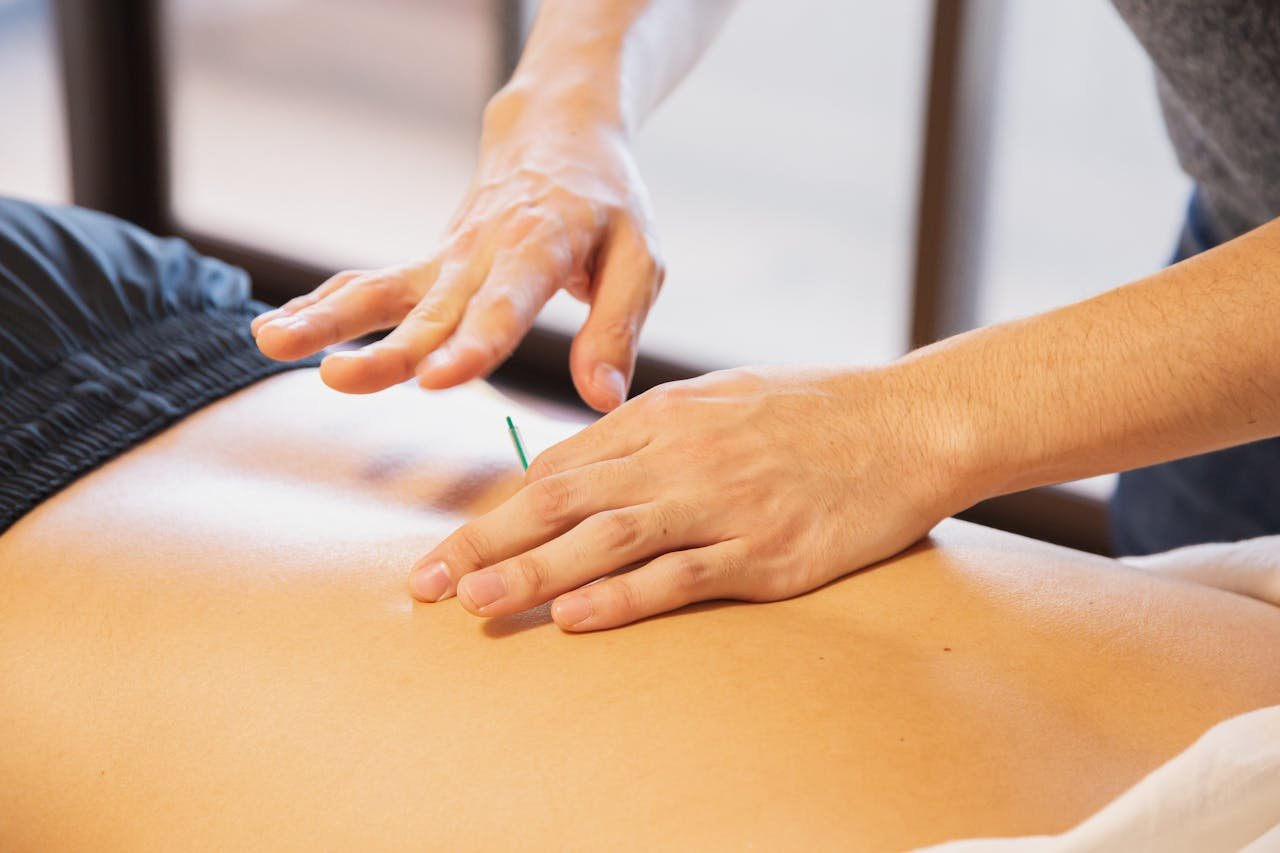
Your physiotherapist begins by locating the active trigger points through skilled palpation. After explaining the procedure and obtaining your consent, a fine needle is inserted into the trigger point. You may feel a brief deep ache or a twitch — this is the muscle releasing and is a positive sign.

Each trigger point is typically treated for 30-60 seconds. After treatment, gentle stretching is applied to consolidate the release. You may experience slight soreness in the treated area for 24-48 hours, similar to post-exercise soreness. Most patients notice significant improvement within 1-3 sessions, and we often combine dry needling with manual therapy and exercise for the best outcomes.

Conditions We Treat

  • Myofascial Pain Syndrome
  • Chronic Neck & Shoulder Tension
  • Tension Headaches & Migraines
  • Lower Back Muscle Pain
  • IT Band Syndrome
  • Tennis Elbow & Golfer's Elbow
  • Plantar Fasciitis
  • Piriformis Syndrome
  • Jaw (TMJ) Pain
  • Chronic Muscle Tightness

Why Choose Dry Needling

Rapid release of stubborn muscle knots

Immediate reduction in referred pain

Improved muscle activation and strength

Enhanced range of motion

Faster recovery between training sessions

Complementary to manual therapy and exercise

Your Treatment Journey

1

Clinical Assessment

Your physiotherapist identifies your pain patterns and uses skilled palpation to locate active myofascial trigger points causing your symptoms.

2

Explanation & Consent

We explain the dry needling procedure, what you will feel, and answer any questions before proceeding. Informed consent is obtained.

3

Needle Insertion

A fine, sterile, single-use acupuncture-type needle is inserted directly into the identified trigger point. You may feel a brief twitch response as the muscle releases.

4

Needling Technique

The needle is gently manipulated to elicit local twitch responses — a sign the trigger point is deactivating. Treatment of each point typically lasts 30-60 seconds.

5

Post-Treatment Care

Gentle stretching and movement after needling to consolidate the muscle release. We provide aftercare advice including hydration, gentle activity, and what to expect over the next 24-48 hours.

Frequently Asked Questions

What is the difference between dry needling and acupuncture?

Dry needling targets specific myofascial trigger points based on Western anatomical and neurophysiological principles. Acupuncture is based on traditional Chinese medicine and uses meridian points. While both use fine needles, the clinical reasoning and treatment approach are different.

Does dry needling hurt?

You will feel a brief, deep ache or twitch when the needle contacts the trigger point — this is actually a good sign that the technique is working. The sensation lasts only a moment and is followed by a feeling of release. Most patients tolerate it very well.

How quickly does dry needling work?

Many patients notice improvement immediately after treatment or within 24-48 hours. Some soreness in the treated area is normal for 1-2 days. For chronic conditions, 2-4 sessions are typically needed for lasting results.

Is dry needling safe?

Yes. Performed by a trained physiotherapist, dry needling is very safe. We use sterile, single-use disposable needles and follow strict hygiene protocols. Minor bruising or temporary soreness may occur but significant side effects are extremely rare.

Can dry needling be combined with other treatments?

Absolutely. Dry needling works best as part of a comprehensive treatment plan. We often combine it with manual therapy, stretching, and exercise prescription for optimal results.

Ready to Start Your Recovery?

Book your initial assessment today and take the first step towards a pain-free life.